Operations deserve continuity.
Managed Services
Reliable Technology.
Continuous Care.
Technology operations never stop. Clinical systems, cloud platforms, cybersecurity, communications, end-user devices, and business applications must remain available to support patient care and organizational performance. CGM helps healthcare leadership evaluate managed services strategies through an independent, vendor-agnostic advisory approach.
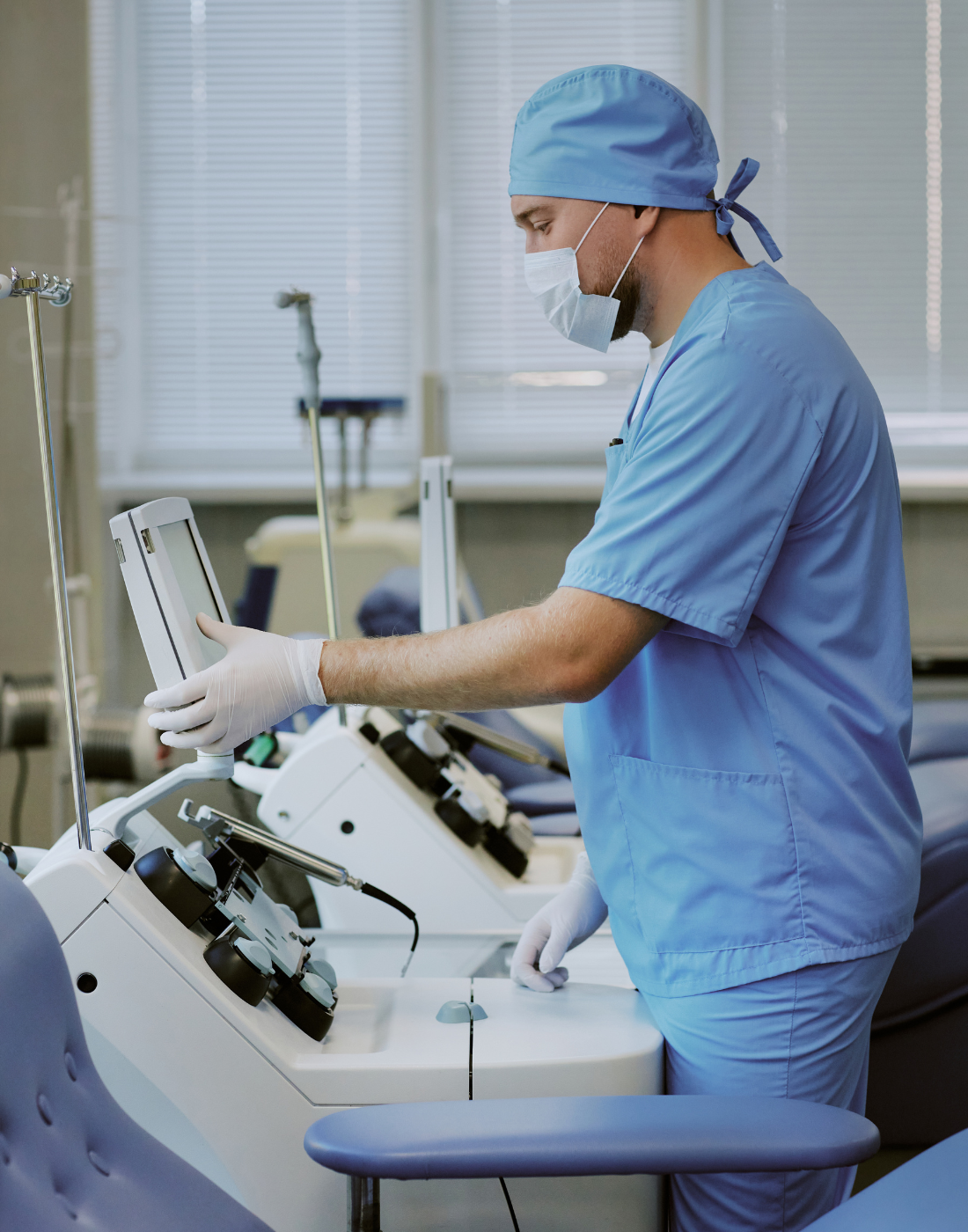
Managed Services should strengthen the operating model behind care delivery, not simply outsource technology tasks.
Technology Supports Every Hour of Care
Technology Supports
Every Hour of Support
Healthcare providers operate across day shifts, nights, weekends, emergencies, and changing demand patterns. Behind that continuity is a technology environment that must be monitored, supported, secured, maintained, and improved without interrupting care delivery.
Managed Services increasingly extend beyond traditional IT support. The right model may include infrastructure administration, network monitoring, cloud operations, service desk, endpoint management, communications support, security operations, and performance reporting—aligned to the organization's internal capabilities, staffing realities, and long-term technology direction.
Operational confidence is built before disruption occurs.

Technology Never Stops. Neither Should Operations.
Technology Never Stops
Neither Should Operations.
Managed Services deliver the greatest value when viewed as an operating model rather than a collection of individual services. Continuous monitoring, administration, user support, optimization, protection, and improvement work together to sustain the technology environments healthcare organizations depend on every day.
Monitor
Maintain visibility across infrastructure, applications, endpoints, networks, and operational performance.
Manage
Coordinate administration, patching, escalation, cloud operations, and service ownership.
Support
Support users, departments, clinical teams, and business functions through the right service model.
Optimize
Use reporting and operational insight to improve performance, capacity, cost, and service quality.
Protect
Coordinate security, backup, resilience, and continuity capabilities that reduce operational risk.
Improve
Advance the model as technology environments, staffing needs, and care demands evolve.
Managed Services are most effective when every stage operates as part of a continuous operational cycle—not as isolated technology functions.

Support Across the Care Environment
Modern healthcare operations depend on connected technology domains. Managed Services can support selected areas or a broader operating model based on staffing capacity, internal expertise, vendor complexity, and performance requirements.
Infrastructure
Support for servers, storage, data centers, backup, recovery, and core platforms.
Cloud & Applications
Operational support for cloud environments, SaaS platforms, application performance, and administration.
Network & Communications
Managed support for connectivity, voice, collaboration, contact center, and enterprise communications.
Endpoints & Users
Service desk, device management, user support, and workplace technology aligned to staff needs.
Security Operations
Monitoring coordination, endpoint security, MDR/SOC support, alert review, and escalation.
Operating Priorities Define the Model
Healthcare providers rarely need a one-size-fits-all managed services arrangement. The right strategy should reflect clinical availability, end-user expectations, internal IT capacity, system complexity, cost discipline, and visibility across the technology environment.
Clinical Availability
Maintain reliable access to the technologies clinicians and staff depend on every day.
System Performance
Strengthen uptime, escalation paths, reporting, and operational accountability across critical systems.
Workforce Support
Align service desk, device support, and workplace technology with staff and department needs.
Operational Visibility
Use monitoring and service metrics to understand performance and identify improvement opportunities.
Vendor Coordination
Reduce friction across providers, platforms, support models, and technology domains.
Business Continuity
Connect managed services planning with backup, recovery, cybersecurity, and continuity requirements.

Design for the Way Care Operates
The right managed services model should fit the organization’s clinical environment, internal IT capacity, service expectations, support gaps, and long-term roadmap. For many providers, the strongest model is not fully outsourced or fully internal; it is a deliberate operating structure built around continuity.
Building the Right Operating Model
The managed services marketplace includes specialized providers across infrastructure, cloud, security, service desk, endpoint management, communications, NOC, SOC, and workplace technology. CGM helps leadership compare models and providers based on operating needs rather than defaulting to a single provider approach.
Operational Guidance Built Around Your Environment
Operational Guidance Built
Around Your Environment
CGM helps healthcare organizations evaluate managed services strategies through an independent advisory lens. The goal is not to force the environment into a provider’s standard model; it is to identify the operating approach that best supports care delivery, performance, staffing, and long-term technology direction.
Your Environment Comes First
Existing IT capabilities, clinical priorities, cloud maturity, cybersecurity posture, geographic footprint, and growth strategy all shape the right managed services model.
Build the Right Operating Model
Some providers need co-managed support. Others need specialized partners, fully managed environments, or hybrid models that combine internal teams with external expertise.
A Broader Provider Ecosystem
Through relationships with more than 300 technology providers, CGM helps compare managed services capabilities across infrastructure, cloud operations, communications, endpoint management, service desk, cybersecurity, and workplace technology.
Support beyond the technology operating model.
CGM helps healthcare organizations evaluate opportunities across technology, cost reduction, revenue performance, and specialized advisory programs. Managed Services can be part of a broader operating strategy that strengthens the organization from multiple angles.
Strengthen Technology Operations.
Whether your organization is expanding internal IT capacity, evaluating managed service providers, improving infrastructure operations, strengthening cloud or security support, or redesigning technology operations, CGM can help leadership move forward with greater clarity.